

If you are considering how to invest in Bali, you are looking at one of Southeast Asia’s most dynamic and high-yield emerging markets. Bali has evolved from a global tourism hotspot into one of Southeast Asia’s most active short-term rental property markets. According to Indonesia’s Central Statistics Agency (BPS), Bali recorded over 7 million international arrivals in 2025, exceeding pre-pandemic benchmarks and reinforcing its position as a high-demand international destination. This scale of tourism activity directly underpins short-term rental occupancy and pricing power, making the decision to invest in Bali supported by quantifiable visitor data rather than market sentiment.
However, to successfully invest in Bali, understanding the legal ownership structure, zoning regulations, realistic rental yields, and location strategy is essential. Browse our complete guide to Bali real estate for sale for a full overview of what’s available across the island. This comprehensive 2026 guide from Prestige Property Bali explains the safest and most profitable ways to invest in Bali, covering property options, ROI expectations, the best-performing areas, key risks to avoid, and step-by-step investment guidance tailored for foreign investors.
Why Invest in Bali in 2026?

Investing in Bali in 2026 means entering a market that remains resilient, growing, and in demand internationally despite global economic fluctuations. Unlike purely speculative property markets, Bali’s real estate sector is fundamentally supported by tourism performance, long-stay expatriates, and the expanding digital nomad economy. The demand for high-quality rental properties remains strong due to Bali’s year-round tourism and its growing popularity as a remote work destination.
Another reason many investors choose to invest in Bali is the favourable yield environment compared to Western markets. While major cities in Australia and Western Europe often deliver 3-6% gross rental yields for residential property, well-positioned short-term rental villas in Bali can achieve 8-15% gross yields, particularly in tourism-zoned areas with strong design appeal and professional management.
For investors evaluating whether now is the right time to invest in Bali, 2026 represents a period of strategic opportunity, before land supply in prime zones becomes increasingly limited and development costs continue to rise.
What Are the Best Ways to Invest in Bali?

When investors decide to invest in Bali, they are often surprised to discover that the island offers multiple structured entry points, each with different risk levels, capital requirements, and return profiles. At Prestige Property Bali, we guide investors based on their financial objectives, whether that is short-term rental income, long-term land appreciation, ownership of a hospitality business, or portfolio diversification. Understanding the different investment pathways is essential before committing capital.
Broadly, investors who work with Prestige Property Bali typically choose between real estate acquisition, hospitality ventures, or establishing a foreign-owned company structure. While business and hospitality opportunities exist, property remains the most straightforward, secure, and scalable way for a foreigner to invest in Bali.
Let’s break down the primary options.
1. Real Estate Investment (Most Popular)

For most international buyers, real estate is the preferred way to invest in Bali because it offers tangible asset ownership and potential rental income. Through years of market involvement, Prestige Property Bali has observed that high-performing villas in tourism-zoned areas consistently outperform speculative land purchases or unstructured business ventures.
Property investment typically includes:
- Short-term rental villas
- Off-plan development projects
- Land banking in emerging areas
- Boutique hotel properties
- Commercial units in tourism zones
At Prestige Property Bali, we carefully evaluate zoning, accessibility, surrounding development plans, and construction quality before recommending properties, ensuring sustainable performance rather than short-term hype.
2. Hospitality and Tourism Ventures

Another route to invest in Bali is through hospitality businesses such as boutique hotels, beach clubs, cafés, or wellness retreats. Bali’s tourism economy supports strong year-round visitor traffic, making hospitality an attractive but more hands-on investment.
However, hospitality investments in Bali typically require strong operational management, full compliance with business licensing, staffing oversight, a higher upfront capital commitment, and ongoing day-to-day involvement.
While the upside can be substantial, hospitality carries a higher operational risk compared to property ownership. Many investors initially explore hospitality but ultimately choose real estate after understanding the management complexity involved.
3. Establishing a PT PMA (Foreign-Owned Company)

Some investors choose to invest in Bali by establishing a PT PMA (a foreign-owned company), which allows foreigners to legally operate businesses and hold certain property rights under Indonesian law.
Investors choosing this structure should clearly understand:
- Minimum capital requirements
- Licensing categories
- Tax obligations
- Shareholder structures
- Reporting compliance
While the PT PMA structure offers flexibility, it is generally recommended for larger commercial investments rather than individual villa purchases.
From our experience at Prestige Property Bali, property investment remains the most balanced entry point for foreign investors, offering legal clarity, manageable risk, and strong rental yield potential without requiring daily operational involvement.
Bali Property Investment – Complete Guide for Foreign Investors

Unlike many overseas markets where foreigners can directly own freehold land, Indonesia has specific ownership regulations. Investors who fail to understand these rules risk entering unsafe agreements. This is why Prestige Property Bali places legal due diligence at the centre of every transaction.
Below is what every foreign investor must understand before purchasing property in Bali.
Can Foreigners Own Property in Bali?

Technically, foreigners cannot directly own freehold (Hak Milik) land in Indonesia. However, this does not mean foreigners cannot invest in Bali property. There are established and legal structures that allow international investors to control, use, and profit from property assets securely.
At Prestige Property Bali, we guide investors through the safest and most appropriate ownership structures based on their goals.
The three primary legal options include:
- Leasehold (Hak Sewa)
- Hak Pakai (Right to Use)
- PT PMA ownership structure
Each has different advantages depending on budget, investment horizon, and business intention.
Read also: Can Australians Buy Property in Bali? | Can Foreigners Buy Property in Bali? Complete 2026 Guide
Leasehold (Hak Sewa) – The Most Common Structure

Leasehold is the most popular and practical way for foreigners to invest in Bali property. Under this structure, the investor leases the land from the freehold owner for a fixed period, typically 25 to 30 years, with extension clauses negotiated in advance.
At Prestige Property Bali, we ensure that:
- Extension terms are clearly defined in the contract
- Land certificates are verified
- Zoning compliance is confirmed
- Payment schedules are structured securely
Leasehold works particularly well for rental-focused investors who plan to generate income over a defined time horizon. When structured correctly, leasehold investments can provide strong ROI and predictable cash flow.
Hak Pakai (Right to Use)

Hak Pakai is another legal structure that allows foreigners to hold usage rights over property under specific regulatory conditions. While less common for villa investors, it may suit individuals planning long-term residence in Bali.
Through partnerships with legal specialists, Prestige Property Bali evaluates whether Hak Pakai is appropriate depending on the buyer’s visa status and intended use of the property.
PT PMA Ownership Structure

For investors planning larger commercial projects or hospitality developments, a PT PMA (a foreign-owned company) may be the preferred vehicle for investment in Bali.
Under this structure:
- The company holds land under specific titles
- The investor becomes a shareholder of the company
- Commercial operations are legally permitted
At Prestige Property Bali, we coordinate with licensed notaries and corporate consultants to ensure that investors using a PT PMA structure comply fully with Indonesian law.
This structure is typically recommended for:
- Boutique hotels
- Commercial developments
- Multi-villa projects
- Large-scale hospitality ventures
For foreign investors seeking a structured, scalable way to invest in Bali, professionally guided property acquisition remains the most stable and predictable approach.
Best Areas to Invest in Bali (2026 Hotspots)

Choosing the right location is one of the most critical decisions when investing in Bali. Not all areas perform equally, and rental yields, occupancy rates, capital appreciation, and exit liquidity vary significantly by micro-location. At Prestige Property Bali, we analyse not only the popularity of an area but also infrastructure access, zoning compliance, surrounding development plans, and target rental demographics before recommending any investment.
Below are the strongest-performing and emerging areas where Prestige Property Bali sees consistent investor demand in 2026.
1. Canggu – High Rental Yield and Digital Nomad Hub
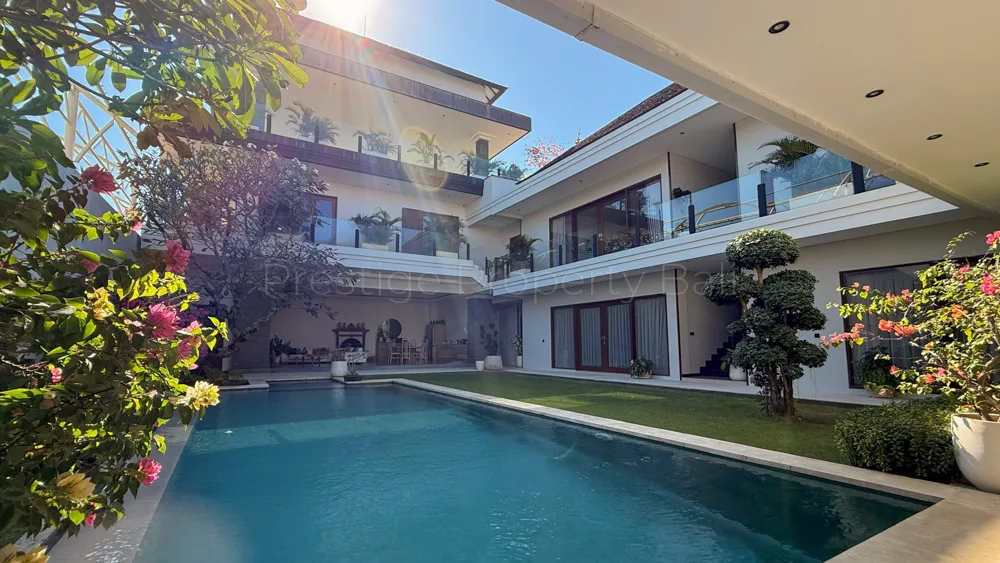
Canggu remains one of the most active areas for investors looking to invest in Bali, with high short-term rental income. Its popularity among digital nomads, surfers, and lifestyle travellers has created consistent year-round demand for modern villas.
At Prestige Property Bali, we observe:
- High occupancy rates in tourism-zoned areas
- Strong nightly rental rates for 2-4 bedroom villas
- High liquidity when reselling quality properties
- Continued development of cafés, coworking spaces, and beach clubs
However, Canggu is becoming more competitive. Micro-location selection is critical. Properties too far from main access roads or in non-tourism zones may underperform. In Canggu, high-performing 2-3-bedroom villas in tourism-zoned areas commonly achieve 65-80% annual occupancy, with peak-season nightly rates ranging from USD $250-$400, depending on design quality and proximity to Batu Bolong or Berawa Beach.
Best for: Investors focused on rental yield and strong occupancy.
2. Uluwatu – Luxury Growth Corridor

Uluwatu has rapidly evolved into Bali’s luxury cliffside destination. Investors who want to invest in Bali at a higher price point often choose Uluwatu for its ocean views, premium branding, and growing international appeal.
At Prestige Property Bali, we see:
- Rising demand for luxury-designed villas
- Strong pricing power for sea-view properties
- Increasing infrastructure improvements
- Growing high-spend visitor demographic
Uluwatu typically attracts luxury travellers and longer-stay guests, which can translate into higher nightly rates when properly marketed. Over the past 3-4 years, land prices in key Uluwatu cliffside areas have shown consistent upward movement, particularly for tourism-zoned plots with ocean views. Increased luxury resort development and improved road access have contributed to this growth in demand.
Best for: Mid- to high-budget investors targeting premium rental income.
3. Seminyak – Stable Market

Seminyak is one of Bali’s most mature property markets. Investors who prefer stability over aggressive growth often choose Seminyak when deciding to invest in Bali.
From our experience at Prestige Property Bali, Seminyak offers:
- Proven long-term rental history
- Central location near the beach and dining
- Stable occupancy rates
- Strong resale market
While price appreciation may be slower than in emerging zones, Seminyak offers greater predictability. It remains attractive to families and repeat visitors alike, who seek convenience and brand recognition.
Best for: Conservative investors seeking established performance.
4. Ubud – Wellness and Retreat Investment

Ubud offers a completely different investment profile. Rather than beach tourism, Ubud attracts wellness travellers, yoga retreats, and long-stay visitors seeking nature and cultural immersion.
Investors who invest in Bali property in Ubud through Prestige Property Bali often focus on:
- Boutique retreat villas
- Jungle-view properties
- Wellness-focused rental concepts
- Long-stay monthly rental strategies
Land prices can be more affordable than in coastal zones, but zoning verification is especially important. Demand in Ubud is more niche but stable when positioned correctly.
Best for: Wellness-focused or retreat-style investors.
5. Pererenan and Seseh – Emerging Growth Zones
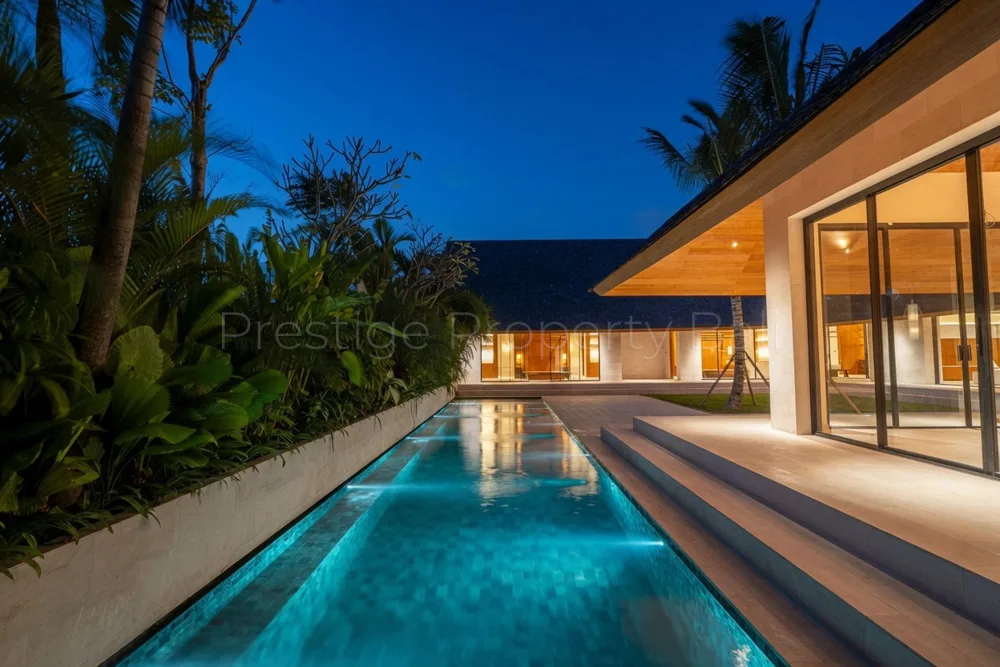
For investors looking to enter early before full maturity, Pererenan and Seseh offer high upside when investing in Bali.
At Prestige Property Bali, we monitor these zones closely because:
- They are expanding outward from Canggu
- Infrastructure access is improving
- Land prices are still relatively competitive
- Development is transitioning toward premium villas
Investors entering these areas at the right time may benefit from capital appreciation as commercial and residential infrastructure continues to develop.
Best for: Investors seeking medium-term capital growth.
At Prestige Property Bali, we conduct micro-location analysis rather than relying on general market trends. This detailed approach reduces risk and improves return predictability.
How Much Does It Cost to Invest in Bali?

The cost to invest in Bali depends on location, property type, and investment strategy. Entry budgets typically range from affordable leasehold villas to higher-end luxury developments.
In general:
- Entry-level 2-bedroom villas start from around USD $180,000
- 3-bedroom rental villas range between USD $250,000-$450,000
- Luxury villas can exceed USD $500,000+
Land prices vary by zoning and proximity to key areas such as Canggu, Uluwatu, and Seminyak. Construction costs also depend on design quality and finishing standards.
As of 2026, leasehold 2-bedroom villas in emerging but tourism-zoned areas typically start from approximately USD $180,000-$250,000, depending on remaining lease years and build quality. Browse our current leasehold villas for sale in Bali for available options across all price points. Prime Canggu villas for sale may exceed this range.
Construction costs in Bali typically range from USD $600 to $1,000 per sqm, depending on material quality, design complexity, and contractor experience.
At Prestige Property Bali, we always recommend budgeting not only for the purchase price but also for legal fees, furnishings, and property management setup costs.
For a complete and detailed breakdown of land prices, construction costs, legal fees, and full investment budgeting, read our in-depth guide here: Cost of property in Bali and how to buy property in Bali.
This ensures that investors considering investing in Bali understand the financial structure before making a decision.
Step-by-Step: How to Invest in Bali Property Safely

To successfully invest in Bali, you need a clear and structured process. While the opportunity is strong, the key to success is proper legal verification, zoning checks, and realistic financial planning.
Here is the simplified overview:
- Define Your Investment Goal: Are you investing for rental income, capital growth, or future relocation? At Prestige Property Bali, we start by understanding your strategy before recommending properties.
- Choose the Right Location: Not all areas perform equally. Micro-location, tourism zoning, and access roads matter. Prestige Property Bali evaluates these factors before presenting options.
- Verify Legal and Zoning Compliance: Before you invest in Bali, verify land certificates, zoning classification, and building permits. This step protects your asset long-term.
- Secure the Correct Ownership Structure: Leasehold, Hak Pakai, or PT PMA. The structure must match your investment plan. Prestige Property Bali works with legal partners to ensure compliance.
- Plan Your Rental Strategy: Professional property management significantly affects ROI. Investors who work with Prestige Property Bali receive guidance on management and performance optimisation.
Investing in Bali is not complicated, but it must be done correctly. For a detailed legal breakdown and complete buying process, read how to buy property in Bali 2026.
At Prestige Property Bali, we guide investors through a straightforward and secure investment framework.
Risks of Investing in Bali (And How to Avoid Them)

When deciding to invest in Bali, it’s important to understand potential risks and how to minimise them. At Prestige Property Bali, we focus on risk prevention through proper due diligence and structured investment planning.
Here are the key risks investors should be aware of:
- Zoning Risk: Purchasing property in non-tourism zones may restrict or prohibit short-term rental operations. Verifying tourism zoning classification (commonly referred to as “Pink Zone”) is essential before acquiring any rental-focused property.
- Unclear Lease Extension Terms: Poorly drafted leasehold agreements can create uncertainty at renewal. Extension clauses, pricing mechanisms, and renewal timelines should be clearly defined within the contract.
- Overdevelopment in Certain Areas: In high-demand districts such as parts of central Canggu, rapid villa construction has increased competition. Properties located in narrow-access lanes, high-density clusters, or non-walkable areas may have lower occupancy than villas near major amenities.
- Construction Quality Issues: Lower-cost construction can lead to structural defects, plumbing failures, water intrusion, or high maintenance costs. Build quality directly impacts guest reviews, long-term maintenance expenses, and resale value.
- Unrealistic ROI Promises: Guaranteed return schemes or overly optimistic projections may not reflect actual market conditions. Rental income performance depends on location, design quality, management efficiency, and competitive positioning.
- Legal Shortcut Structures (Nominee Risk): Informal nominee ownership arrangements may create long-term legal vulnerability. Investors should rely only on legally compliant ownership structures under Indonesian law.
- Market Timing Risk: Entering the market at inflated pricing without proper rental and comparable sales analysis may reduce profitability. Evaluating recent transactions, land supply dynamics, and tourism demand trends is essential before committing capital.
Like any emerging property market, Bali carries legal and operational risks. However, when zoning, lease structure, and construction quality are properly verified, those risks can be significantly reduced.
Is Bali a Good Investment Compared to Other Countries?

Many investors comparing where to invest in Bali are also considering Thailand, Dubai, Australia, or Europe. Based on current market conditions and comparative investment factors, here is a simplified overview:
- Lower entry price than Dubai and Australia: Investors can secure high-quality villas in Bali at a fraction of the capital required in major Western cities.
- Higher rental yield potential than many Western markets: Well-located villas identified by Prestige Property Bali often outperform typical 3-6% yields seen in Europe or Australia.
- Stronger short-term rental demand than many European markets: Bali’s tourism model supports dynamic pricing and seasonal peak returns.
- More affordable than Phuket in comparable villa segments: Bali often offers better value per square meter in prime tourism zones.
- Lifestyle-driven demand: Unlike purely financial hubs, Bali combines investment with relocation potential, which Prestige Property Bali sees as a strong long-term demand driver.
- No heavy property tax burden like in some Western countries: Transaction and holding costs in Bali can be more manageable when structured properly.
- Requires stronger due diligence than developed markets: Legal clarity, zoning verification, and structured lease agreements are critical, which is why investors work with Prestige Property Bali to reduce risk.
- Best suited for yield-focused investors: Bali performs strongest for investors targeting rental income rather than purely passive appreciation.
In summary, investors who choose to invest in Bali typically do so for a combination of high rental potential, affordable entry pricing, and lifestyle flexibility, provided the investment is structured correctly with experienced guidance, such as Prestige Property Bali.
Frequently Asked Questions About Investing in Bali

Can foreigners legally invest in property in Bali?
Yes, foreigners can legally invest in Bali through structured ownership models such as leasehold agreements, Hak Pakai (right to use), or PT PMA company structures. We guide investors through compliant legal pathways and avoid high-risk arrangements such as informal nominee structures.
Is a leasehold safe when you invest in Bali?
Leasehold is the most common and practical structure for foreign investors. When properly drafted with clear extension clauses and zoning verification, it can provide secure control over the property. Prestige Property Bali ensures that lease agreements include defined renewal terms and that legal due diligence is completed before signing.
What rental yield can I expect when I invest in Bali?
Gross rental yields for well-managed villas generally range from 8% to 15%, depending on location and design quality. Net returns after expenses are typically lower. Prestige Property Bali provides conservative ROI projections based on real booking data rather than inflated marketing figures.
Can I buy property in Bali remotely without visiting?
Yes, remote purchases are possible with proper legal representation and trusted local advisors. Many international clients work with Prestige Property Bali remotely, receiving full documentation review, video inspections, and structured transaction support.
How long does it take to complete a property purchase in Bali?
A standard property transaction usually takes 4-8 weeks, depending on document verification and ownership structure. Prestige Property Bali coordinates directly with licensed notaries to ensure smooth and legally compliant completion.
What are the biggest risks when investing in Bali?
The main risks include incorrect zoning, poorly structured lease agreements, construction quality issues, and unrealistic ROI expectations. Working with experienced advisors like Prestige Property Bali significantly reduces these risks through structured due diligence.
Conclusion: Should You Invest in Bali in 2026?

Investing in Bali in 2026 means entering a market with strong rental potential, lifestyle demand, and accessible entry-level pricing compared to many global property destinations. However, success in Bali property investment is not based on trend-following, it is based on structured planning, legal clarity, realistic ROI modelling, and careful micro-location selection.
Throughout this guide, you’ve seen that while Bali offers attractive yields and growth potential, it also requires:
- Proper zoning verification
- Secure ownership structure
- Conservative financial forecasting
- Quality-focused construction
- Professional property management
Investors who approach Bali strategically often benefit from both recurring rental income and long-term land appreciation. Those who rush in without due diligence may face avoidable challenges.
With on-the-ground expertise, active market monitoring, and structured legal coordination, Prestige Property Bali helps foreign investors navigate every stage of the investment journey, from initial strategy consultation to legal completion and post-purchase performance optimisation.
Whether you are:
- Seeking high-yield rental villas
- Exploring emerging growth zones
- Planning a luxury development
- Diversifying your international portfolio
- Combining lifestyle relocation with investment
Prestige Property Bali offers data-driven guidance, transparent analysis, and locally informed insight so you can invest in Bali with confidence.
Start by exploring our complete guide to Bali real estate for sale — covering ownership structures, investment strategies, prime locations, and current listings across the island.
Ready to Invest in Bali with Confidence?
If you are serious about investing in Bali, the next step is not browsing listings, it is building a strategy.
Contact Prestige Property Bali for:
- A personalised investment consultation
- Current high-performing villa opportunities
- Zoning and legal verification review
- ROI projection analysis
- Off-market investment access
The Bali market rewards preparation, precision, and professional guidance.
Partner with Prestige Property Bali and take the first structured step to invest in Bali intelligently, securely, and profitably.