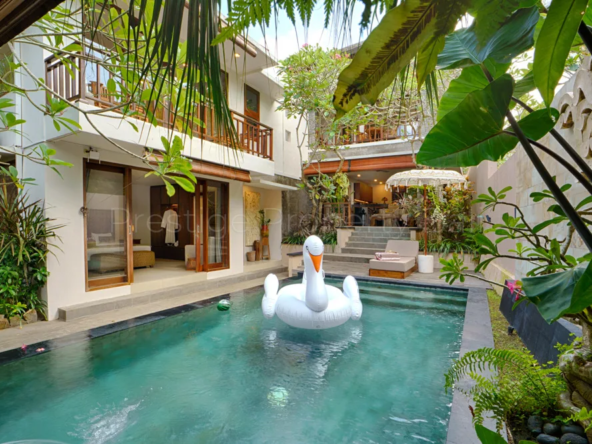
The cost of living in Bali has become one of the most searched topics among expats, digital nomads, retirees, and overseas property investors considering relocation to Indonesia. While many online articles provide general estimates, very few are written by professionals actively operating within Bali’s real estate market.In 2026, many people asked, how much does it cost to live in Bali? The answer varies significantly depending on lifestyle, property type, and location. A single remote worker renting a modest home outside prime tourist areas may live comfortably on a limited budget, while a family renting a luxury villa in Canggu with children attending an international school will face a substantially higher financial commitment. Understanding these differences is crucial before making relocation or investment decisions.At Prestige Property Bali, we work directly with long-term tenants, villa owners, and international buyers every day, which gives us access to real rental contracts, real utility expenses, and actual market-driven pricing data.
In this article, Prestige Property Bali will break down the real cost of living in Bali, especially in 2026. We will also analyse Bali rent prices by area, and explain when buying property may be financially smarter than renting long-term. For a complete overview of ownership options, see our guide to Bali real estate for sale.
Is Bali Still Cheap in 2026?
Source: Prestige Property Bali | Brand New 2BR Private Pool Villa in Nusa DuaThe short answer is: yes, but it depends on your lifestyle and location.Living costs in Bali remain 40-70% lower than major Western cities, depending on lifestyle. For example, renting a private 2-3-bedroom villa in Bali typically costs $2,000-$3,500 per month, whereas a comparable property in cities like Sydney, London, or Los Angeles often costs $6,000-$10,000 per month.However, Bali is no longer the ultra-budget destination it once was. Areas such as Canggu, Uluwatu, and Seminyak have experienced rental increases of approximately 10-25% annually since 2021, driven by rising international relocation and digital nomad demand.At Prestige Property Bali, we see this shift clearly in the rental market. A villa that cost $1,800 per month in 2019 may now command $2,800-$3,200 in 2026. That said, Bali still offers excellent value compared to major global cities, especially when considering private villa living, household help, and lifestyle quality.
Monthly Cost of Living in Bali
Source: Prestige Property Bali | Prime 3 Bedroom Berawa VillaThe monthly cost of living in Bali varies significantly depending on lifestyle, housing choices, and family size. At Prestige Property Bali, we categorise living expenses into three practical tiers to give a realistic overview rather than a single misleading number.For a single person living modestly outside prime tourist areas, living modestly in Bali usually requires a monthly budget of around $900-$1,200. This typically includes a simple long-term rental, local dining, scooter transport, and moderate utility use.A more comfortable expat lifestyle, such as renting a private villa in areas like Sanur, the Ubud outskirts, or Pererenan, usually ranges from $1,800 to $2,500 per month. This level includes higher rent, Western dining options, gym memberships, and access to coworking.For couples, monthly expenses typically range from $2,800 to $3,800, depending largely on villa size and location. Families, especially those enrolling children in international schools, should expect to pay $4,500-$7,000+ per month, including tuition, car rental, and larger properties.Choosing the right rental structure or exploring villa leasehold ownership can dramatically impact long-term monthly expenses.
Rent Prices by Area
Source: Prestige Property Bali | Luxury Villa in Canggu Inspired by Modern Mid-Century Los AngelesUnderstanding rent prices by area is crucial for accurately calculating the true expenses of living in Bali. Rental pricing varies dramatically depending on proximity to beaches, international schools, and lifestyle hubs. We track real long-term rental contracts daily, giving us accurate 2026 market insights.
Bali Rent Prices by Area (Long-Term Lease)
Area
Monthly
Yearly
Canggu / Pererenan
$1,500 – $3,000
$18,000 – $35,000
Uluwatu
$1,200 – $2,500
$14,000 – $30,000
Seminyak
$1,500 – $3,500
$18,000 – $42,000
Sanur
$800 – $1,400
$9,600 – $16,000
Ubud
$700 – $1,200
$8,400 – $14,000
East Bali (Amed/Sidemen)
$500 – $900
$6,000 – $10,000
From our experience, relocating just 15-20 minutes outside prime hotspots can reduce rental costs by 20%-40%, often saving $800-$1,500 per month on comparable villa sizes. This is why area selection is the most powerful lever in controlling long-term living expenses.
Food and Grocery Costs in Bali
Source: Prestige Property Bali | Brand New! Stunning Villa in Canggu Kayu Tulang for SaleFood plays a significant role in shaping your overall Bali lifestyle cost. Your monthly spending can stay relatively low if you enjoy local cuisine, but it can rise quickly if you regularly purchase imported Western products or dine at upscale restaurants.Local warung meals typically cost between $2-$4 per dish, making daily dining extremely affordable. Many long-term residents spend less than $10 per day eating local food. However, Western cafés and restaurants in areas like Canggu and Seminyak usually range from $10-$18 per meal, and fine dining can exceed $30 per person.For groceries, a single expat typically spends $250-$400 per month, while couples may spend $400-$600 depending on imported goods. Specialty supermarkets and organic stores increase the overall monthly cost of living in Bali, especially for families.Dining in Bali is typically 50-70% cheaper than in major Western countries/Australia, especially when choosing local restaurants instead of imported or premium venues.
Transportation Costs in Bali
Source: Prestige Property Bali | Stylish 2-Bedroom Freehold Villa in CangguMost expats and digital nomads rely on scooters as their primary mode of transportation. Monthly scooter rentals typically range from $70 to $120, with fuel costing around $1 per litre. Maintenance is affordable, making scooters the most economical and practical way to get around Bali while keeping overall living expenses manageable.For families or those who prefer comfort, car rentals range from $400 to $700 per month, depending on thevehicle type. Some long-term residents choose to hire private drivers for daily or occasional use, at a cost of $35-$60 per day.Choosing the right residential area can significantly reduce transportation expenses. Living closer to schools, coworking spaces, or beaches minimises daily travel and fuel costs, which is why location strategy plays a critical role in managing your long-term living expenses in Bali.
Utilities and Internet Costs in Bali
Source: Prestige Property Bali | Luxury 4-Bedroom Villa with Scenic Views in CangguUtilities are often underestimated when planning a realistic monthly budget in Bali. While rent is typically the largest expense, electricity usage and property maintenance costs can significantly impact your overall monthly spending.Electricity is the biggest variable. In Bali, power is prepaid and heavily influenced by air-conditioning use. A 1-bedroom villa may incur $80-$150 per month in electricity, while a larger 3-bedroom property with multiple AC units and a swimming pool can easily reach $200-$400 per month.Water bills are relatively low, usually between $10-$30 per month, depending on the property. However, villas often require additional services, such as pool cleaning and garden maintenance, which typically cost $80-$150 per month combined.At Prestige Property Bali, we always advise clients to clarify which utilities are included in rental contracts before signing. Understanding these recurring expenses allows for more accurate long-term budgeting and helps prevent unexpected monthly costs after moving in.
Entertainment and Lifestyle Costs in Bali
Source: Prestige Property Bali | For Sale: Residential Villa In Pererenan, CangguWhile housing remains the largest expense, overall lifestyle spending can vary significantly depending on personal habits and expectations. Bali can be as affordable or as indulgent as you choose. It depends on how you structure your housing, dining, and daily living choices.Here is a structured breakdown of typical entertainment and lifestyle expenses:
Category
Estimated Monthly Cost (USD)
Notes
Gym Membership (Local)
$40 – $80
Basic facilities
Premium Gym
$100 – $150
High-end equipment and classes
Yoga Studio Membership
$80 – $200
Unlimited packages vary
Coworking Space
$150 – $300
Popular for digital nomads
Beach Club Visit
$50 – $150 per visit
Depends on spending
Casual Night Out
$20 – $50
Dinner + drinks
Fine Dining
$60 – $150 per visit
Premium venues
Weekend Getaway
$150 – $500
Domestic travel or luxury stays
For digital nomads planning their monthly budget, coworking memberships and social activities can easily add $300-$600 per month. Families, on the other hand, often direct a larger portion of their budget toward children’s activities and schooling rather than nightlife and entertainment.Lifestyle expenses are optional and highly adjustable. Unlike fixed costs such as rent or school tuition, entertainment and leisure spending can easily be scaled up or down to better manage your overall monthly budget.
Healthcare and Insurance Costs in Bali
Source: Prestige Property Bali | Freehold Smart Luxury Villa in Elite CangguHealthcare costs play a crucial role in calculating overall Bali monthly expenses, particularly for retirees and families planning a long-term move. While housing often represents the highest cost, medical coverage and routine healthcare should not be overlooked. Fortunately, everyday medical care in Bali remains relatively affordable compared to most Western countries, helping to keep overall living expenses manageable for long-term residents.A standard visit to a local doctor typically costs between $25-$60, while consultations at international hospitals such as BIMC or Siloam generally range from $80-$200, depending on the specialist. Basic treatments and medications are reasonably priced, helping to keep overall monthly living expenses manageable for most expats residing in Bali.Healthcare expenses may not be the largest component of the cost of living in Bali, but they are one of the most important considerations for sustainable long-term residency.
How to Reduce Your Living Costs in Bali
Source: Prestige Property Bali | Modern Serenity in Mas: Brand New 2BR VillaThe most effective way to reduce expenses is to secure a 12-month rental contract instead of paying month-to-month or using short-term platforms. Long-term leases can lower rental prices by 30-50%.Another smart strategy is choosing a location slightly outside prime hotspots. Living just 15-20 minutes from central Canggu or Seminyak can save $800 – $1,500 per month on rent. Many emerging areas offer villa-quality accommodations at much more affordable rates, allowing you to maintain comfort while spending less.Daily habits also make a difference. Limiting imported groceries, using air-conditioning wisely, and eating at local restaurants can noticeably reduce monthly bills. Electricity is often the most underestimated recurring expense.For long-term residents, buying a leasehold property can also help stabilise housing costs. With average long-term rental yields in Bali ranging between 7-12% annually, leasehold property ownership can offset living expenses and provide long-term financial stability compared to rising rental costs.Reducing the cost of living in Bali is less about cutting lifestyle quality and more about making informed structural decisions, especially regarding property and location.
Why Many Expats Choose to Buy Property Instead of Rent
Source: Prestige Property Bali | 3BR Villa in Ubud Center with Ricefield ViewAs rental prices continue to rise in prime areas, many long-term residents are reassessing the true cost of living in Bali over a 5-10-year period. While renting offers flexibility, it also exposes tenants to annual price increases and market volatility, especially in high-demand zones like Canggu, Uluwatu, and Seminyak.For example, renting a 3-bedroom villa in Canggu at $3,500 per month results in $42,000 per year, or over $210,000 across five years with no ownership or return. When clients see this calculation, they often start exploring leasehold ownership as a strategic alternative.At Prestige Property Bali, we regularly help expats compare the long-term rental cost versus purchasing a leasehold villa. In many cases, buying can stabilise housing expenses while also generating rental income if the property is subleased during travel periods.Another advantage of ownership is insulation from rental inflation. As Bali continues to grow in global popularity, villa demand increases, directly impacting rental prices. Securing a long-term asset can provide financial predictability that renting cannot.Of course, buying property requires careful due diligence, legal structuring, and local expertise. That is why Prestige Property Bali guides clients through secure leasehold transactions, ensuring compliance and long-term viability.For expats planning to stay more than three to five years, owning property is often not just a lifestyle upgrade, but a long-term financial strategy that helps stabilise housing expenses and protect against rising rental costs.
Can You Live on $1,000 a Month in Bali?
Source: Prestige Property Bali | Ubud Riverside Haven: 2-Bedroom Leasehold VillasYes, it is possible to live on $1,000 per month in Bali, but it requires careful lifestyle choices. When people search for “can you live on $1,000 in Bali,” the answer depends almost entirely on the location and housing expectations.To maintain a $1,000 monthly budget, you would typically need to:
Rent a simple room or modest house outside prime areas
Avoid Canggu, central Seminyak, or beachfront locations
Eat mostly local food at warungs
Use a scooter for transportation
Limit imported groceries and Western dining
Minimise air-conditioning usage
In this scenario, rent would ideally remain below $500-$600 per month, which is achievable in areas such as East Bali, Ubud outskirts, or less-developed neighbourhoods.The key takeaway is this: the cost of living in Bali can be low, but comfort, location, and property quality significantly influence your final monthly budget. Smart area selection, something Prestige Property Bali helps clients navigate, makes the biggest difference in maintaining affordability.
Conclusion – How Much Do You Really Need?
Source: Prestige Property Bali | Grand 5-Bedroom Villa in Oberoi SeminyakSo, what is the realistic cost of living in Bali in 2026?The honest answer depends entirely on your housing choice, lifestyle expectations, and long-term plans.
$1,000 per month: Basic lifestyle outside prime areas, modest housing, mostly local dining.
$2,500 per month: Comfortable expat life with a private villa, dining variety, and balanced lifestyle.
$5,000+ per month: High-end villa living in premium areas such as Canggu or Uluwatu.
$7,000+ per month: Family lifestyle with international schooling and larger property.
Housing is always the largest variable in overall monthly expenses. Rental structure, location choice, and long-term planning can shift annual spending by tens of thousands of dollars.At Prestige Property Bali, we consistently see that informed property decisions make the greatest difference in managing long-term expenses. Whether you are renting villa for a year, relocating permanently, or considering leasehold ownership, strategic planning is crucial to shaping your overall monthly budget and financial stability in Bali.
Frequently Asked Questions About the Cost of Living in Bali
1. How much savings should I have before moving to Bali?
Before relocating, we generally recommend having at least 6-12 months of living expenses saved. For a comfortable lifestyle, this typically means a reserve of $12,000-$25,000, depending on your housing choice. Having savings provides flexibility while securing long-term rental contracts and adjusting to the real cost of living in Bali.
2. Does the cost of living in Bali increase every year?
Yes, particularly in high-demand areas like Canggu and Pererenan. Rental prices in prime areas have increased by 15-35% since 2020, with the strongest growth occurring in Canggu and Pererenan. Locking in long-term contracts or exploring leasehold ownership can protect against future price escalation.
3. Is it cheaper to live in North Bali compared to South Bali?
Generally, yes. The Northern and Eastern regions offer significantly lower Bali rental prices than the southern tourist corridor. However, infrastructure, international schools, coworking spaces, and healthcare facilities are more concentrated in the south. Choosing a location involves balancing lower housing costs with lifestyle convenience.
4. How much does visa renewal add to the cost of living in Bali?
Visa expenses vary depending on the type of permit you choose. Social and business visas may cost several hundred dollars every few months, while long-term residency visas typically require higher upfront fees. These recurring immigration expenses should always be factored into your overall living budget, particularly for retirees and long-term expats planning to stay in Bali for an extended period.Foreign buyers considering property ownership should also read our guide on can foreigners buy property in Bali — covering all legal structures available to expats and long-term residents.
5. Is Bali affordable for remote entrepreneurs earning online income?
For most online entrepreneurs earning Western-based income, living in Bali remains financially attractive. Private villas, household services, dining, and transportation are significantly more affordable than in major Western cities. This favourable income-to-expense ratio is one of the main reasons many entrepreneurs choose to secure long-term villas or explore property investment opportunities here.
6. How much does furnishing a long-term rental cost in Bali?
Many villas in Bali are already fully furnished. However, if you need to buy extra furniture or make upgrades, you may need to budget around $3,000-$15,000 or more, depending on the size of the property and the quality you choose.
Giuseppe Coluccelli is the CEO and Founder of Prestige Property Bali,
one of Bali's most trusted luxury real estate agencies specialising
in villa and land sales for international buyers.
With over a decade of on-the-ground experience in Bali's property
market, Giuseppe has guided hundreds of buyers from Australia, Europe,
the Middle East, and beyond through every stage of the acquisition
process — from initial area selection and legal due diligence to
contract execution and post-purchase support.
His expertise spans leasehold and freehold villa transactions,
off-plan development investments, land acquisition, and the legal
ownership structures available to foreign buyers in Indonesia —
including PT PMA company formation and Hak Sewa leasehold agreements.
Giuseppe founded Prestige Property Bali with a single mission: to make
Bali property investment transparent, secure, and accessible for
international buyers at every budget level. Under his leadership,
Prestige has built a reputation for honest market insight, rigorous
due diligence, and personalised service that puts the buyer's
long-term interests first.
Based in Bali, Indonesia.